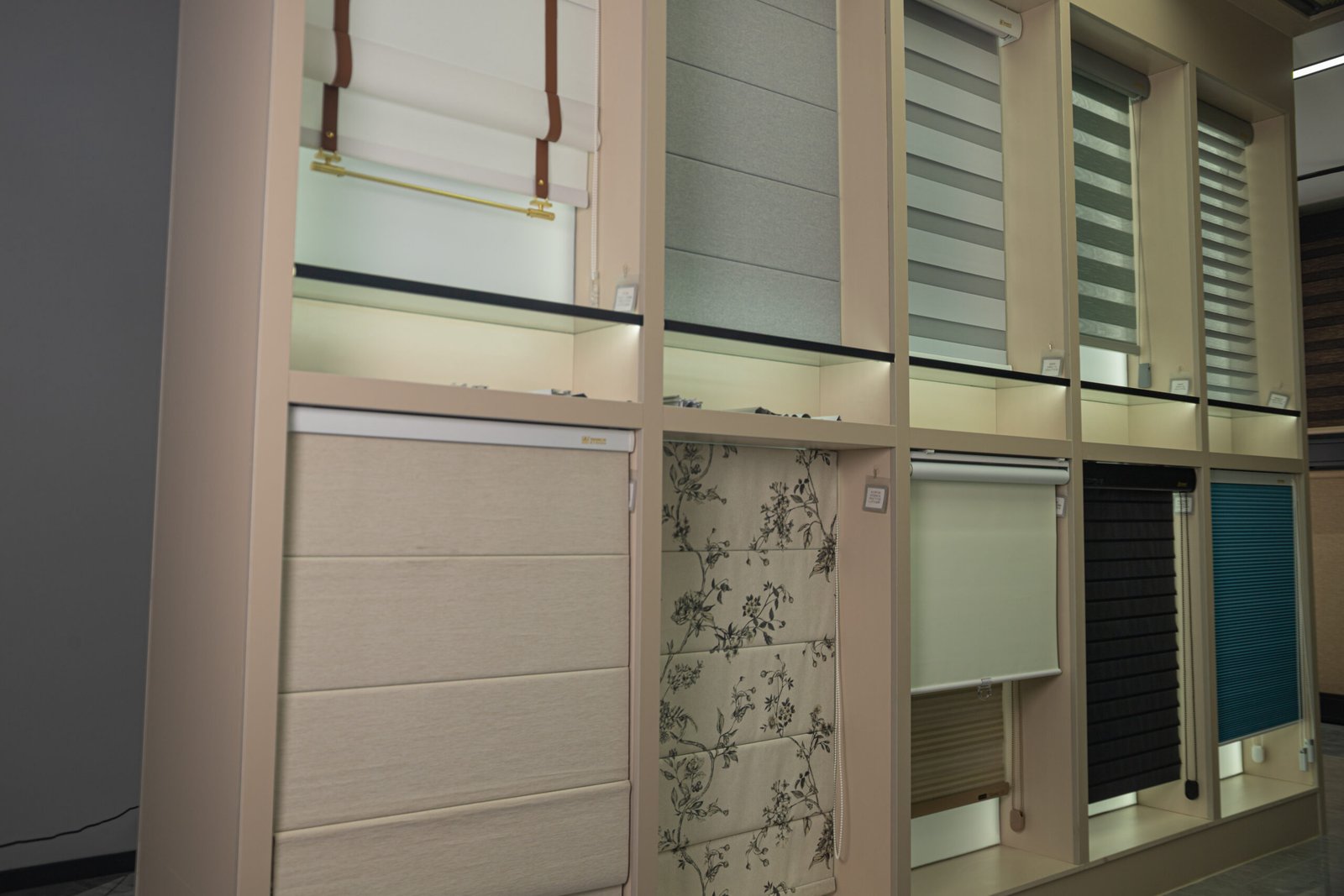
A five-year-old vinyl blind starts sagging on one side. A cellular shade installed the same year still opens and closes the way it did on day one. Both were “blinds” in the same price bracket at the time of purchase, and the gap between them is the real answer to how long do blinds last: it depends almost entirely on what the blind is made of, how much sun it takes, and whether anyone read the warranty terms before something went wrong. For a homeowner in Ottawa or Montréal weighing a purchase that will sit in a window for the better part of a decade, that distinction is worth more than any style comparison.
Realistic lifespans vary by material more than almost anything else in the buying decision, and so does what a “lifetime” warranty actually promises once the fine print is read against a Canadian climate that swings from dry winter heat to humid summers.
How Long Do Blinds Last, by Material
Manufacturers rarely put a number on this, so most of what’s published comes from installers and industry retailers comparing warranty claims and replacement calls over time. The ranges below are consistent across that reporting, and they line up with what shows up most often in service calls: cheaper mechanisms and thinner materials fail years before fabric-based systems do.
| Material / Type | Typical Lifespan | Most Common Failure Point |
|---|---|---|
| Vinyl / PVC blinds | 3–5 years | Slats crack or discolour under sun exposure |
| Aluminum blinds | 4–7 years | Slats bend or dent; tilt mechanism wears out |
| Faux wood blinds | 5–7 years | Warping from heat and humidity swings |
| Real wood blinds | 2–15 years | Highly dependent on finish quality and moisture exposure |
| Fabric roller, zebra, and cellular | 8–10 years | Fabric fading, spring/clutch mechanism fatigue |
| Motorized components | Battery/motor typically outlasts 5+ years with normal use | Battery degradation or motor wear, independent of the fabric itself |
Real wood is the outlier in that table for a reason: a well-finished basswood slat in a stable, dry room can outlast a decade and a half, while the same product hung above a kitchen sink or a humid bathroom window can warp inside two years. The material sets the ceiling; the room sets how close a given blind gets to it.
What Actually Shortens a Blind’s Life
Sun exposure does most of the damage on its own. A window with sustained afternoon sun bleaches fabric dye and dries out vinyl until it turns brittle enough to crack from a light tug, and that process runs faster on a south- or west-facing exposure than most people expect from a material rated for indoor use. Humidity works differently but ends at the same place: wood and faux wood slats absorb and release moisture with the seasons, and enough cycles of that eventually bow a slat that started out perfectly flat. Mechanical wear is more about handling than time passing — a corded lift that gets yanked instead of pulled straight down, a motorized tube that’s forced past its stop, or a valance knocked loose by a pet all shave years off a mechanism that would otherwise run quietly for a decade. Installation quality sits underneath all of it: a bracket mounted slightly off-level puts uneven load on a lift system from the first day, so the blind is already working against itself before normal wear even starts.
Ottawa Winters, Montréal Humidity: Why Climate Changes the Math
An Ottawa home running forced-air heat through a January cold snap can see indoor relative humidity drop well below what’s comfortable for wood and faux wood products, and that dry air is what pulls moisture out of a slat until it splits along the grain — a different failure mode from the humid warping seen in bathrooms, but just as final. Natural Resources Canada’s guidance on upgrading windows and doors flags this same dry-winter-air effect on window-adjacent materials, and a wood or faux wood blind sitting a few centimetres off the glass isn’t exempt from it. A Montréal apartment runs the opposite risk for parts of the year: humid summer stretches and un-vented bathroom or kitchen windows push moisture the other way, which is closer to the condensation conditions covered in our winter condensation guide than to dry-air cracking, but it lands on the same wood and faux wood products either way.
Fabric-based systems — roller, zebra, and cellular — sidestep most of this. A woven or non-woven shade fabric doesn’t absorb and release moisture the way a wood slat does, so the swing between a dry Ottawa February and a humid Montréal August barely registers on the mechanism, which is a large part of why that category clears 8–10 years in the table above while wood-based products post a much wider range.
Roller, Zebra, Cellular, or Motorized — Which Holds Up Longest?
Roller blinds are mechanically the simplest of the three fabric categories — one tube, one spring or clutch, one sheet of fabric — which also makes them the easiest to service if something does wear out down the line. Zebra blinds add a second moving part, the sliding mechanism that shifts the alternating bands, so there’s marginally more that can eventually need adjustment, though the fabric itself ages the same way a roller fabric does. Cellular blinds trade a bit of that simplicity for insulation: the honeycomb structure that traps air for energy efficiency is also more surface area exposed to dust and sun, but the cellular fabrics used in custom lines are generally built for the added flex of folding and unfolding thousands of times over a decade.
Motorized options layer a battery or wired motor on top of whichever fabric system it’s paired with, and that motor ages on its own schedule, separate from the fabric. A motor that’s babied — not forced past its limit switches, not run on a battery left to fully drain repeatedly — will typically outlast the warranty period on the fabric itself; one that’s mounted wrong or overworked can need service years before the fabric shows any wear at all.
What a “Lifetime” Warranty Actually Covers
“Lifetime warranty” is doing a lot of marketing work on a window covering box, and the fine print usually narrows it considerably. Across the window-covering industry, the exclusions that show up most often on a standard warranty are the same handful: damage from pets or kids, liquid or stain damage, fading from UV and sun exposure, anything installed by someone other than the manufacturer’s own team, and motorized components, which are frequently carved out into their own shorter, separate warranty. Read literally, a “lifetime” warranty that excludes sun fading and pet damage is a warranty against manufacturing defects only — which is still worth having, just not the all-purpose protection the name implies.
Canada’s Office of Consumer Affairs distinguishes between the express warranty printed on the box and the implied warranty every province attaches automatically — the legal requirement that a product be fit for the purpose it was sold for, which applies even to items sold “as is.” Before buying, it’s worth asking the seller directly: is the coverage period the same for the fabric and the motor, does a repair require the original installer, and is there a cost for a service visit even when the part itself is covered. Those three questions catch most of the gap between what a warranty sounds like and what it pays out.
The gap shows up most often the same way: a homeowner notices a roller shade has faded noticeably lighter along the bottom third, where afternoon sun hits it every day, and files a claim expecting a free replacement under the “lifetime warranty” printed on the original order form. The claim comes back denied, because UV fading sits in the standard exclusion list alongside pet and liquid damage — the fabric wasn’t defective, it did exactly what fabric left in direct sun for years does. That’s a manufacturing-defect warranty working as designed, just not as the word “lifetime” implied at the time of purchase.
Repair or Replace? Signs Your Blinds Are Done
A roller blind that won’t hold its position and slowly creeps back up is almost always a spring or clutch losing tension — a repair, not a replacement, and usually a quick one. A zebra blind where the bands no longer line up cleanly even after re-calibration has typically stretched or slipped its fabric loop, which is more often a fabric-and-mechanism swap than a full teardown. A cellular shade that no longer sits flat when raised, showing crushed or collapsed cells along one edge, has usually taken repeated pressure from being lowered unevenly rather than reached the end of the fabric’s natural life. Faded, brittle vinyl slats that crack when tilted are past the point of repair; once the plastic itself has degraded, there’s no adjustment that brings it back. A motorized blind that’s six years in and starting to hesitate before it moves, or needs the remote pressed twice to respond, is showing early motor or battery fatigue rather than a fabric problem — worth a service call before it fails outright, since that’s usually the cheaper fix.
The Replacement-Cycle Math: Cheap Blinds vs. Investing Once
Lay the lifespan numbers from the first table over a ten-year window and the comparison stops being about style and starts being about how many times a homeowner goes through the measuring, ordering, and installing process for the same window. Vinyl blinds at a 3–5 year lifespan mean two to three full replacement cycles inside a decade — three separate purchases, three installs, three trips through whatever’s on the market at the time. Faux wood at 5–7 years is one to two cycles over the same span. A fabric roller, zebra, or cellular shade at 8–10 years is typically one purchase that’s still working when the decade is up, sometimes with nothing more than a cleaning and a mechanism check along the way.
A rental unit, a short-term stage of a renovation, or a room getting minimal sun can still make the lower-cost, shorter-lived option the sensible pick for that specific window. The point is making that call deliberately, window by window, rather than defaulting to whichever option is cheapest at checkout without weighing how many times that window is likely to get done over again.
Frequently Asked Questions
How long should custom blinds last before I need to replace them?
For a fabric-based custom blind — roller, zebra, or cellular — eight to ten years of normal use before replacement is typical. Vinyl and faux wood fall well short of that, usually in the three-to-seven-year range, which is the main reason how long do blinds last has such a wide answer depending on what’s actually installed.
Do motorized blinds wear out faster than manual ones?
Not inherently — the fabric ages at the same rate either way. The motor and battery are the added variable, and they run on their own maintenance schedule separate from the fabric’s lifespan, which is why a motorized blind’s warranty terms usually split the two apart.
What actually voids a blinds warranty?
Non-factory installation is the one that catches the most people off guard, followed closely by sun-fading claims and pet or child damage, all of which standard warranties tend to exclude outright rather than partially cover.
Can maintenance actually extend how long a blind lasts?
Yes, meaningfully. Dusting a fabric shade regularly keeps grit from working into the weave and accelerating fading, and lifting a lift cord straight rather than at an angle avoids the sideways stress that wears out a clutch mechanism early. Neither takes more than a few minutes a month.
Are Zenith Shade’s custom blinds covered by warranty in Ottawa and Montréal?
Coverage terms are confirmed at the time of order and vary by product line, since fabric, cellular, and motorized components aren’t always covered on the same schedule. Our team reviews the exact terms for a specific product during the in-home consultation, in Ottawa or with French-language support for Montréal.
Plan Around the Real Lifespan, Not the Sticker Price
Knowing the realistic lifespan of a material before buying turns a window-covering decision into a ten-year plan instead of a guess. If a current set of blinds is already cracking, warping, or slipping out of position, that’s usually the mechanism telling its own story before any warranty conversation is needed. Start with an accurate measurement using our window shade measuring guide, browse the full custom blinds lineup, and request a quote for a free in-home consultation, or contact us directly with questions about warranty terms for a specific room.